Posts Tagged ‘shell preparation’

It’s what we do- excerpt from an article for Practical Performance Car magazine

Friday, April 27th, 2012

It’s strange that the first question people ask when they’re checking out modified cars is often ‘How much power has it got?’ It’s all well and good being able to say it’s got 400 bhp, but how much weight is that power having to shift? If the car weighs two tonnes then you’ve only got 200 bhp per tonne, which is suddenly less impressive. That’s only equal to a 100 bhp engine in a 500 kg car. The thing is if you tell people you’ve only got 100 bhp they’ll snigger and walk away. ‘Pfff, my Mom’s Corsa has got more power than that’. The conversation’s over before anyone mentions weight.


Weight goes far beyond the simple bhp/tonne figure though. Bigger engines will often produce more than enough power to compensate for their extra weight. Carrying a hoofing great engine around does nothing for the handling though. The overall weight of a car will make a huge difference to how it accelerates, brakes and turns into a corner. The distribution of the weight in the car is just as important and can be used to either tune or ruin the handling characteristics.


It’s fairly obvious that having a light car means you can accelerate and brake faster, there’s less weight to move around. But just as important is how the weight is spread out across the cars tyres. Each tyre is actually holding up a different weight. In most road cars with the engine up front, the front tyres are holding up a lot more weight than the rears. Likewise with only the driver in, the off side tyres are carrying more weight than the nearside. Amongst other things, the amount of weight (or down force) a tyre has on it will dictate how much grip it can produce, up to a point. From that you could think a heavier car could corner faster. The problem is that the cars weight also acts sideways in a corner and it takes some of the available grip of the tyre and pulls it sideways, causing the tyre to ‘scrub‘. All tyres scrub sideways when turning, it’s known as the slip angle.  Push the slip angle too far and you’re sliding, push the slide too far and you’re spinning. Heavier cars increase slip angles faster than light ones so they run out of grip faster.

To help ensure each tyre is carrying an equal load to start with, cars can be corner weighted. That involves raising the spring heights so more load goes onto the corners where there was less. Unless you have a very well balanced car the weight distribution will always be biased in one direction or another, but it helps to spread the cars weight as evenly as possible. This means each tyre is doing it’s fair share of clinging your car to the road. Corner weighting a car doesn’t necessarily move the weight distribution in the car, it just alters how the car’s suspension supports it.


Of course all that talk of spreading the weight out on the tyres is massively over simplified. There’s so many other factors influencing how the car’s suspension behaves, and all we’ve considered so far is how the weight is supported across the four corners. We should also spare a thought for where the weight is in the car. Rather than just say the car has weight, the weight distribution around the car can all be added up and said to have a centre of gravity. It’s basically the balance point for all the weight in the car. If the car was hung from a rope attached at the centre of gravity it would always be balanced. The centre of gravity also has a height within the car. The higher the centre of gravity the more a car will lean as it corners. It leans, or rolls because opposing forces act on the centre of gravity as you corner. It’s those forces you can feel when you are pushed out of your seat as the car brakes or corners. This is called weight transfer. The more it rolls during a corner the more it takes load off the inside tyres reducing the overall grip available to the car.

The centre of gravity rolls around a pivot point called its roll centre, which is set by the cars suspension pick up points. Unless you’re planning on moving the suspension pick up points the best way to reduce the amount of roll a car has is make it lighter and get the weight as low down in the car as possible. Stiffer suspension springs will resist body roll. Generally you’ll always want the softest springs possible for traction but stiff enough to stop too much weight transfer. Assuming your tyres are up to the job of transmitting the load then sometimes a bit more weight transfer in a straight line (pitch) helps push them into the road surface and get more grip. For example if you have a rear wheel drive car with the engine at the front you’ll need a bit of weight transfer to get the driving tyres to grip properly. Generally though too much weight transfer reduces grip and ruins the balance in the car, especially during cornering (roll). It’s that balance that everyone’s trying to find when they set a car up. How much weight your car has and where it’s distributed will affect how much weight transfer you have, how much work your suspension is having to do and so how hard you can push your tyres when accelerating, braking and cornering. Performance driving techniques are all developed around shifting the balance around the tyres to get the best grip for the longest time. It’s all of these factors and more that we focus on when developing a car, and it’s driver.

AA Sport

Wednesday, March 30th, 2011

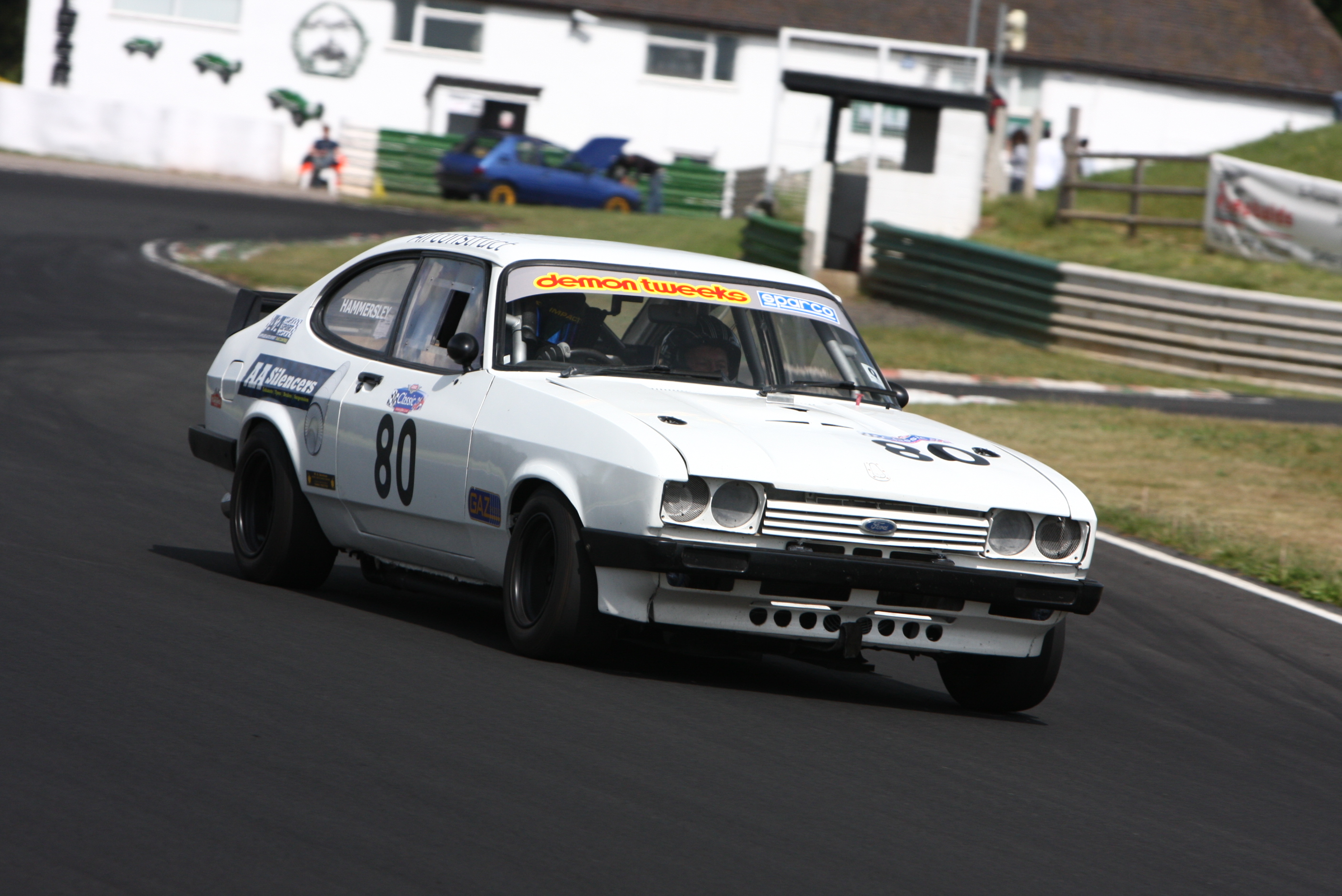
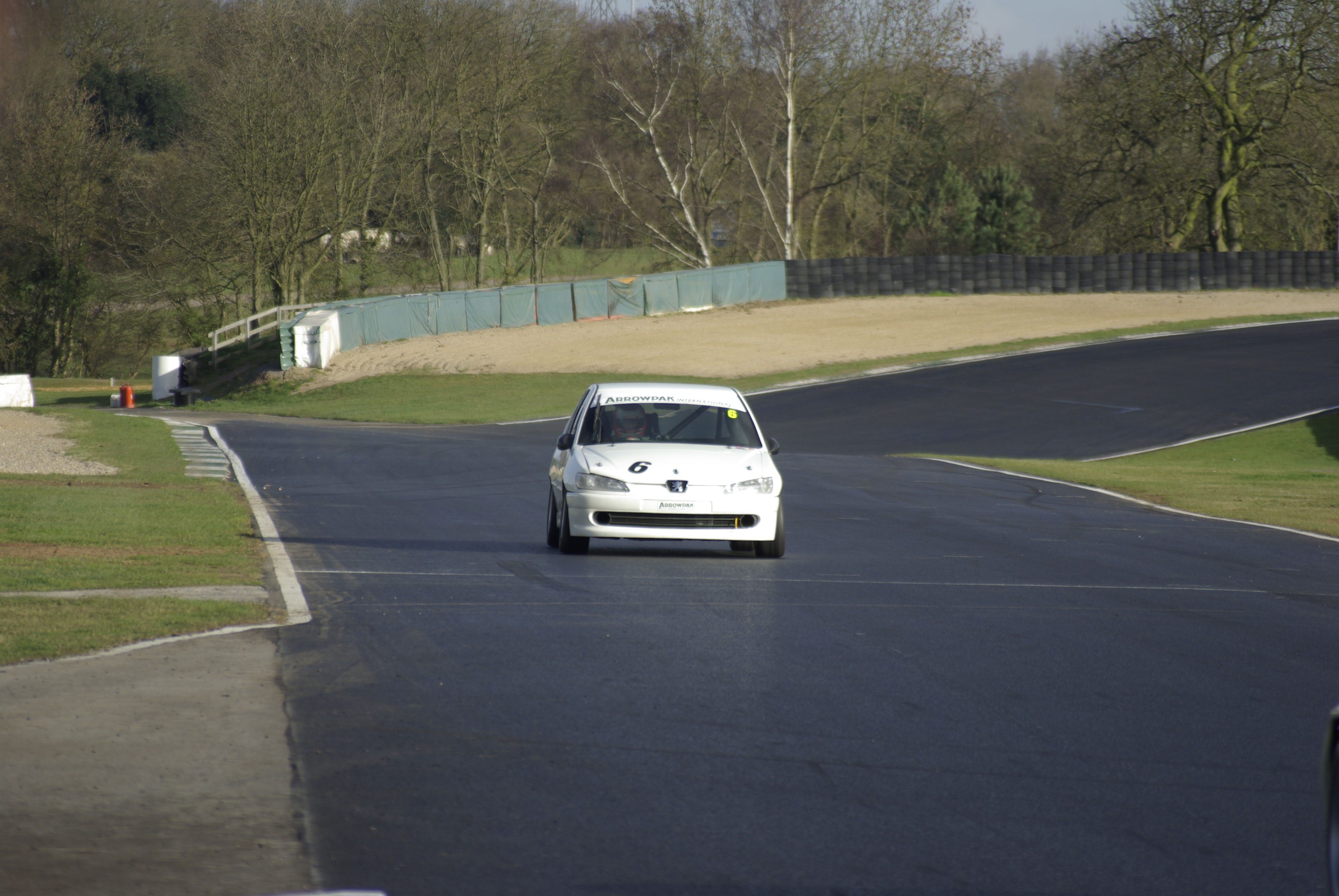
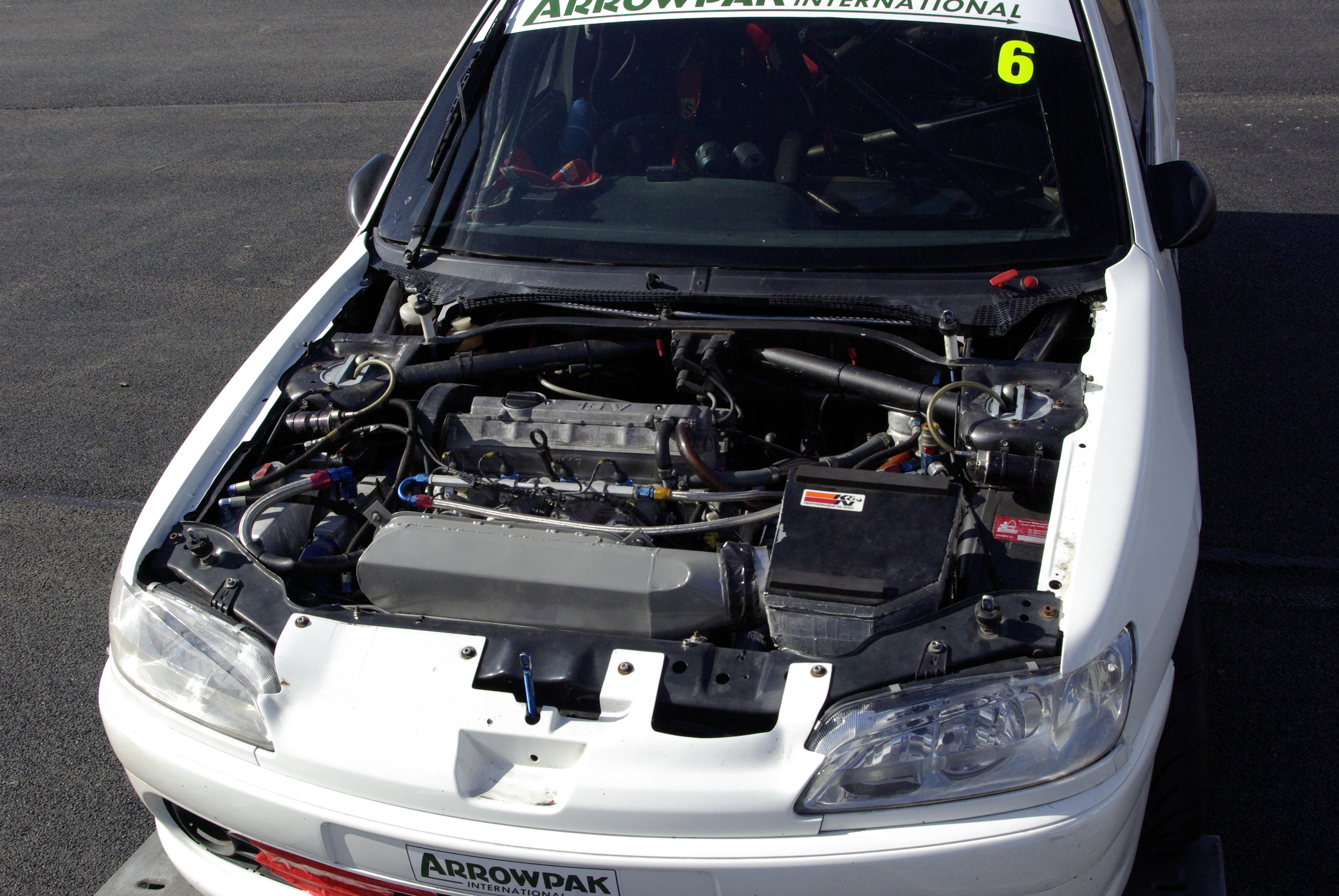
AA Silencers is going racing this year with sister company AA Sport. AA Sport deals with the performance side of the business including chassis tuning, car handling set ups and driver training. Company owner, Mark hammersley, is co-driving an ex BTCC Peugeot touring car. He shares the seat with Nigel Tongue who is campaigning his first season in this car. Mark will help with getting car and driver onto the pace and to the front of the grid. Pre season testing has gone well so far, time will tell when the lights go green at the first race!

Capri Construction

Monday, November 29th, 2010

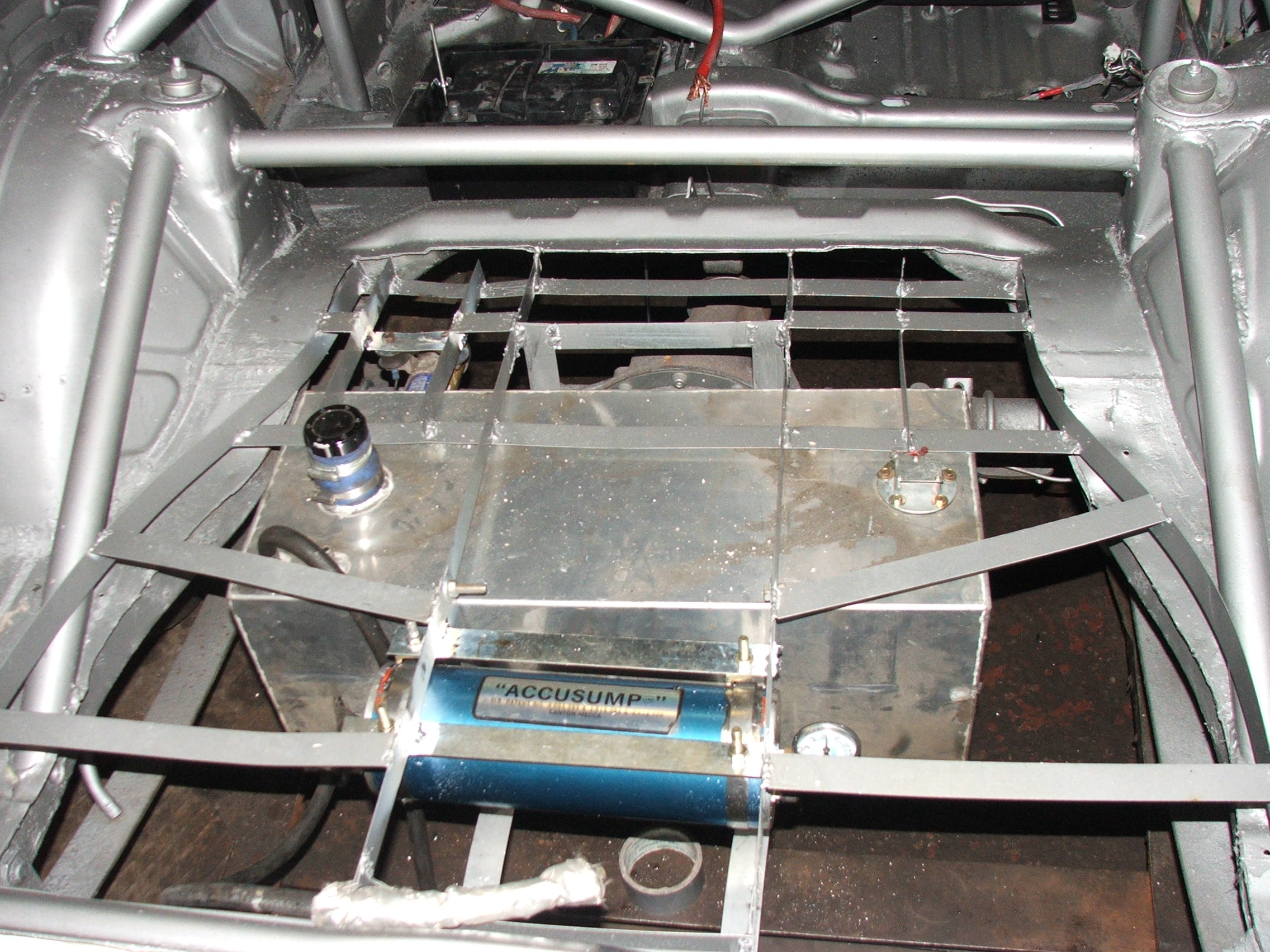
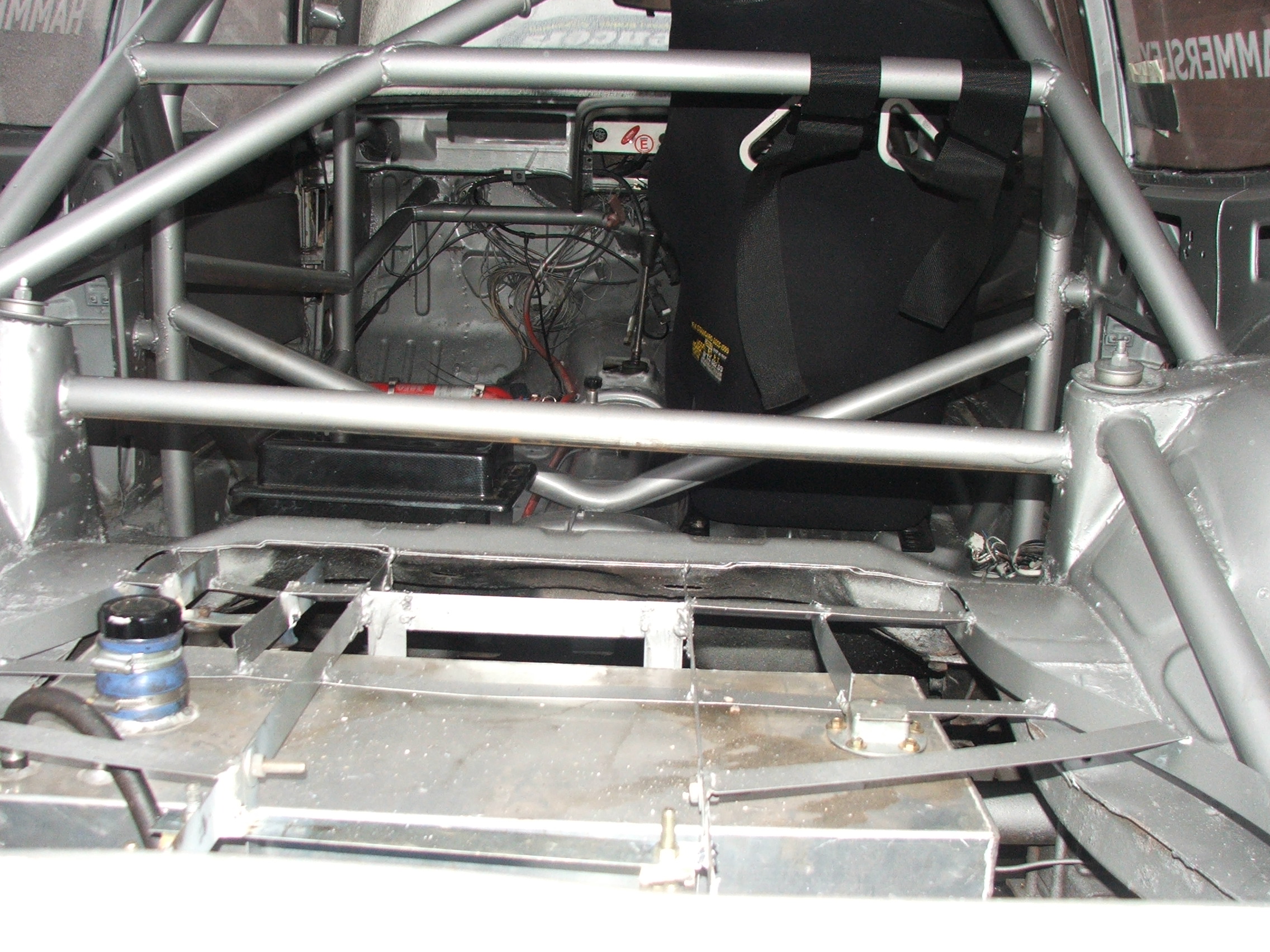
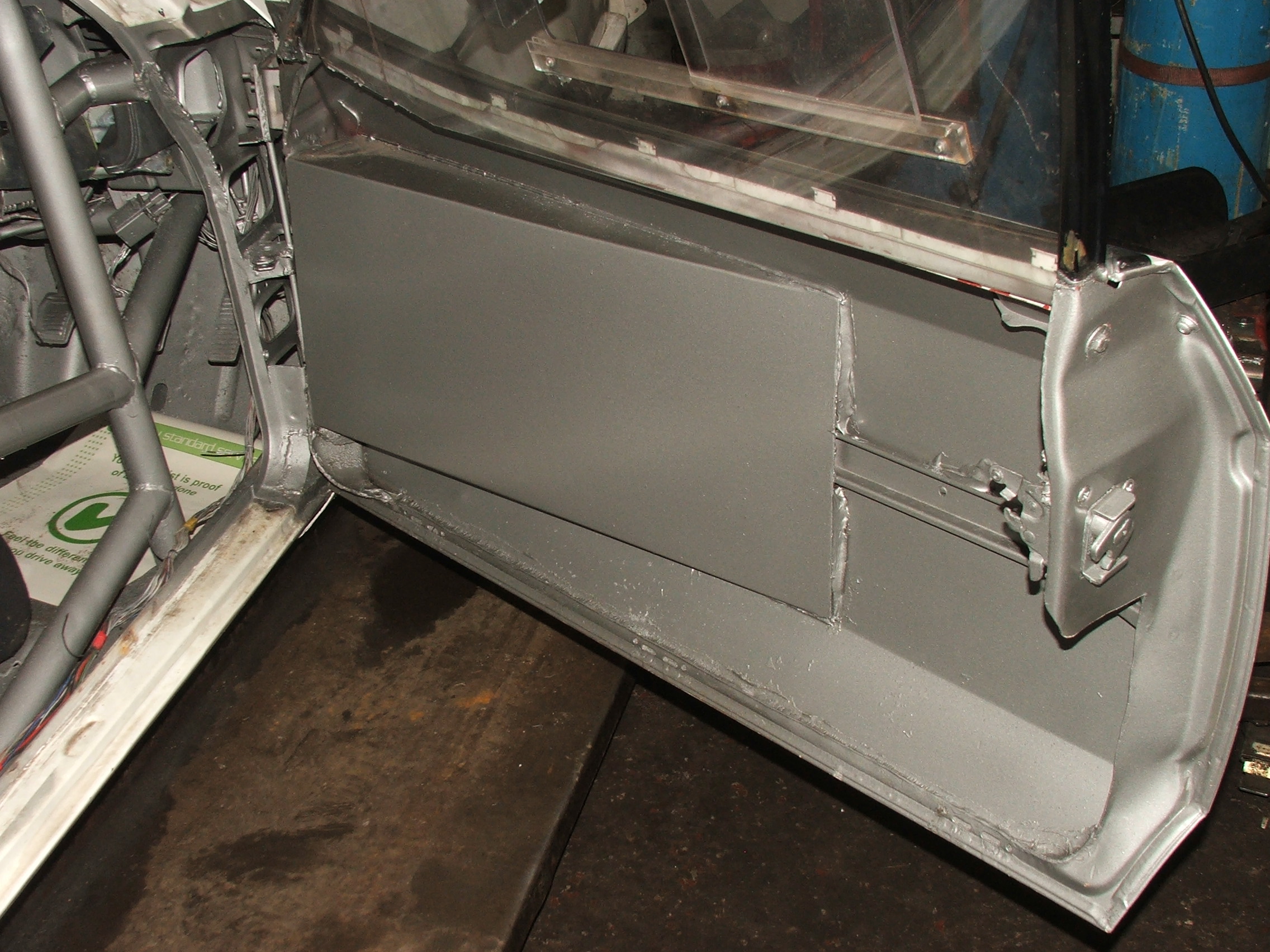
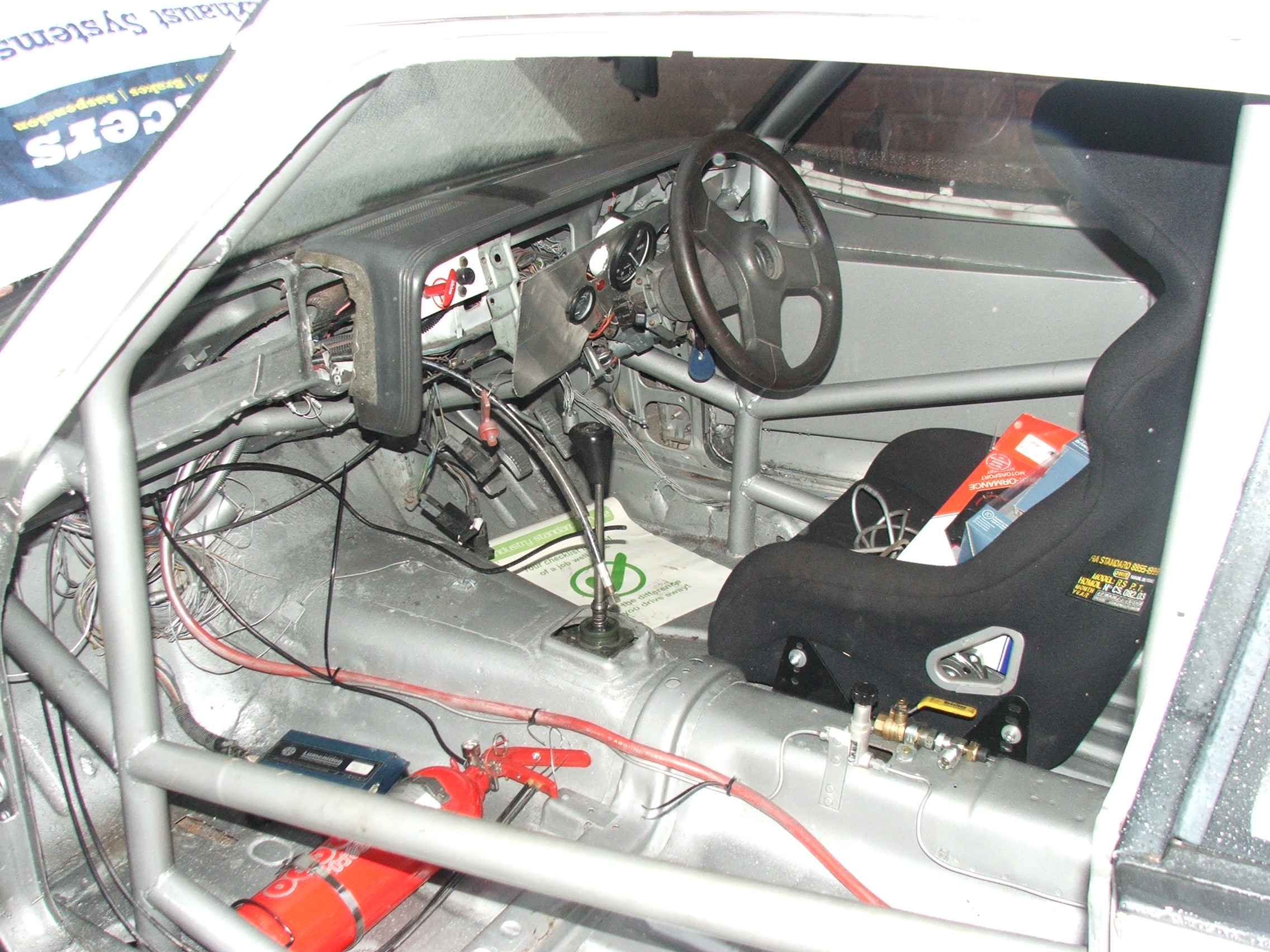
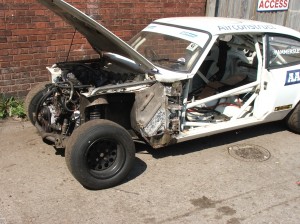
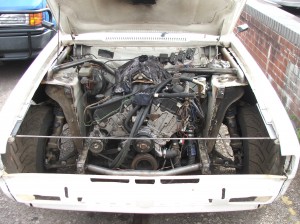
The AA Silencers Capri is finally going back together. The inside and engine bay have been painted and lots of weight taken out. There have been various changes to the oil and cooling systems plus fuel system. The Aerodynamic underfloor is ready for construction and the exhausts need finishing but it’s taking shape ready for the start of the next race season.

Sick Saxo

Monday, November 29th, 2010

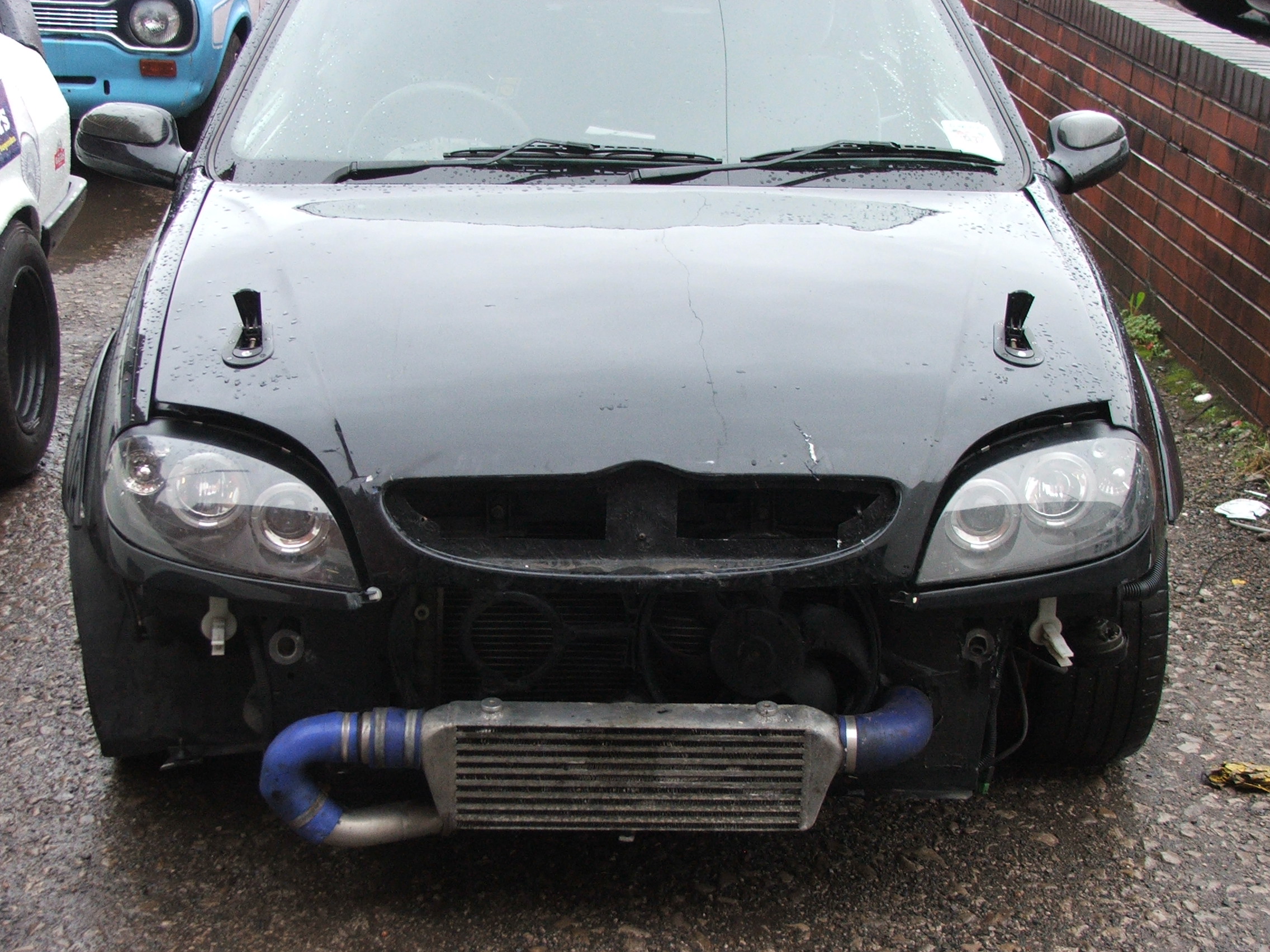
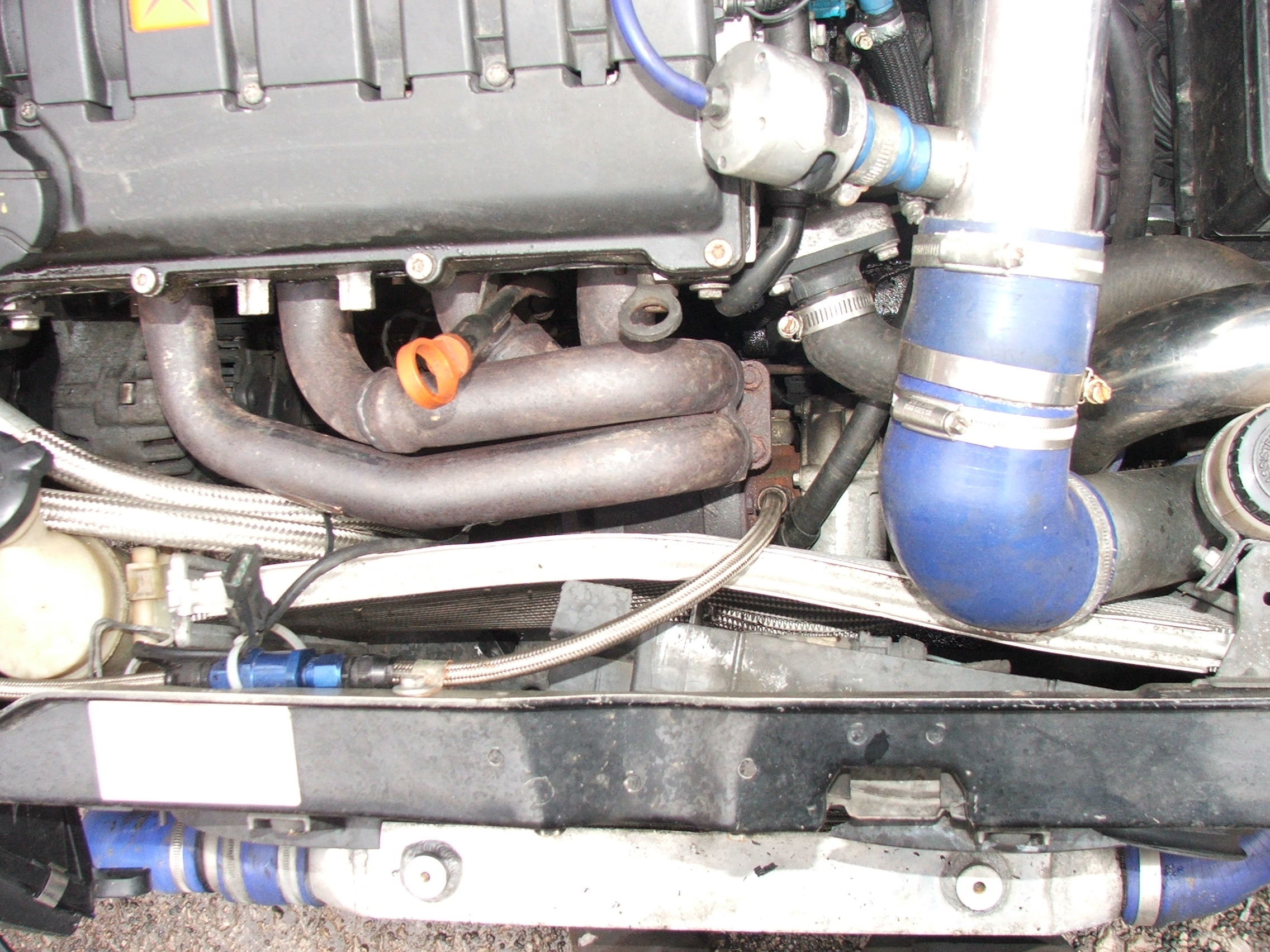
This Saxo was due in for some preparation work as it’s owner was heading east towards the Nurbergring in Germany. We had various things to look at including brakes, a bit of welding ready for a roll cage and to check over the turbo install. The turbo had been installed by a previous owner and They’d done a pretty good job by all accounts. If Citroen had done it themselves it wouldn’t have been any better. Unfortunatley the day it was due in the Saxo was driven into in a car park casuing a fair amount of front end damage. The clock was ticking as the date for track day was set so a few late nights were called upon. It all went back together and the car made it to the nurbergring on time.


How to get rid of rust and make your car faster

Friday, June 11th, 2010

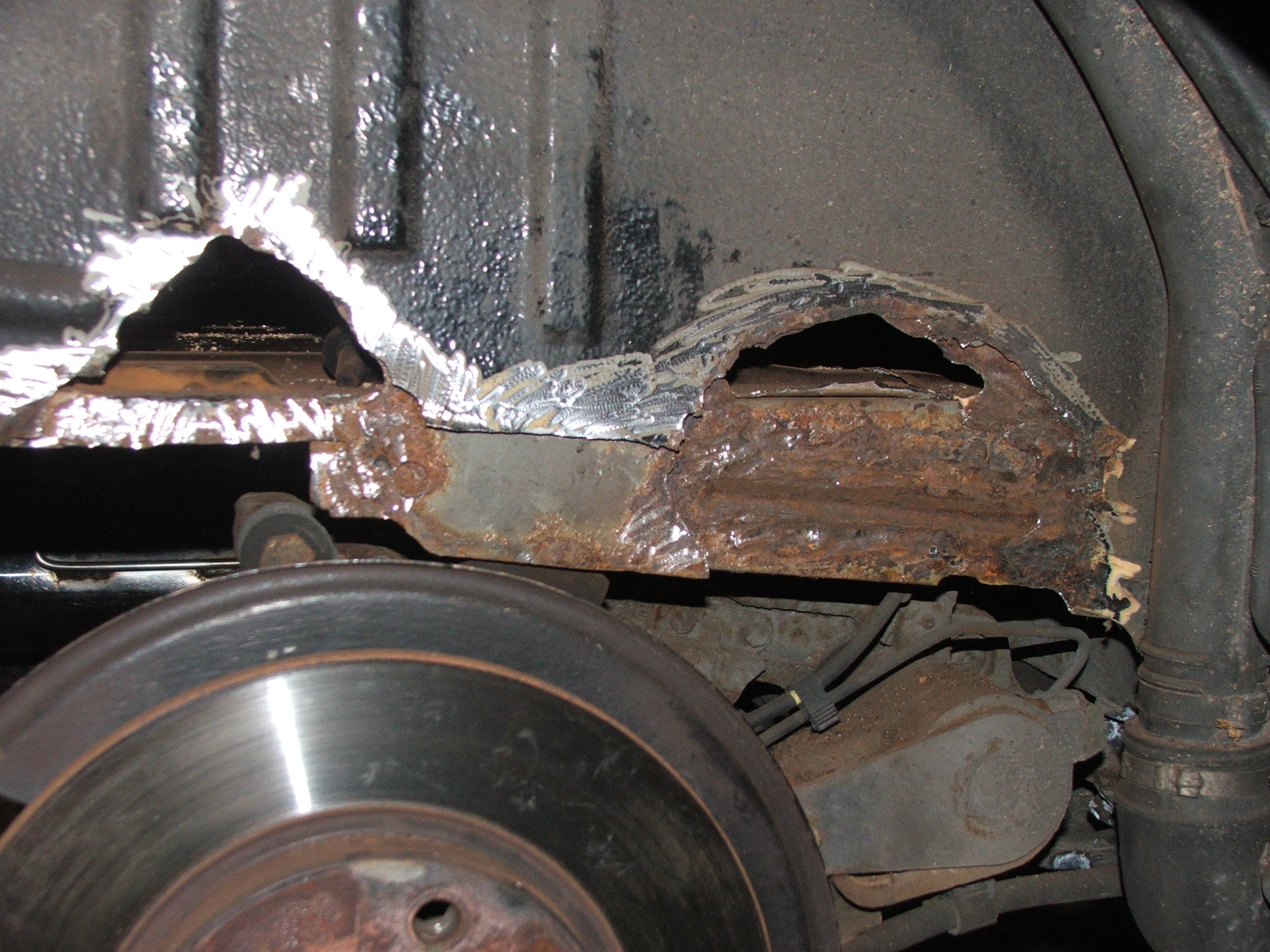
As AA Silencers is busy with Practical Performance Car Magazines racing efforts this year our Capri is not needed on track.  We decided this would be a good time to give it a bit of a freshen up and try to squeeze out a bit more speed. As always the main item on the agenda was weight saving but also to improve the aerodynamics and get rid of the rust that can creep in to any older car.

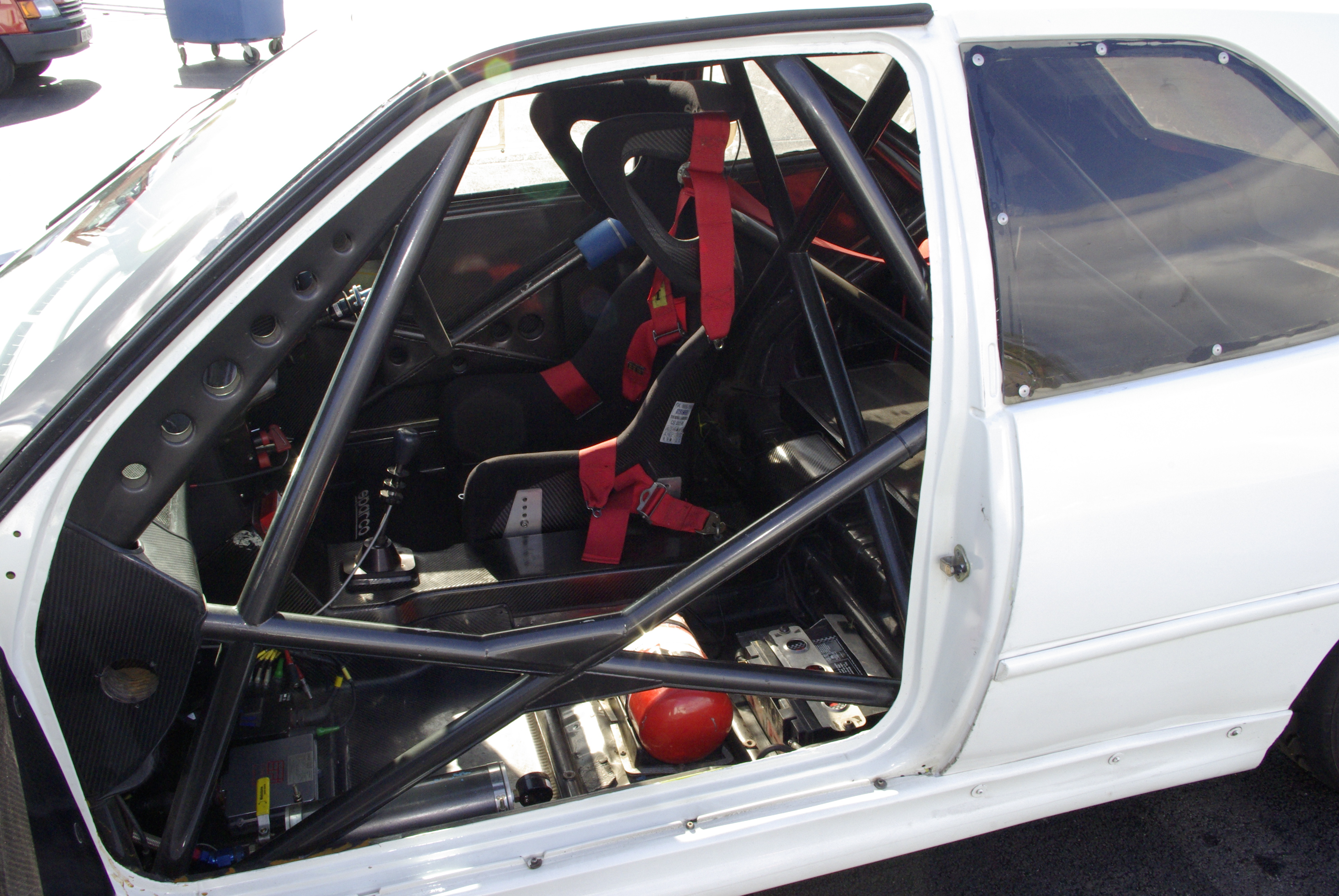
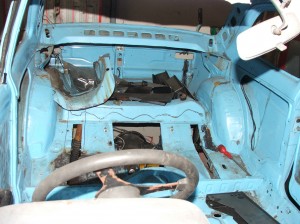
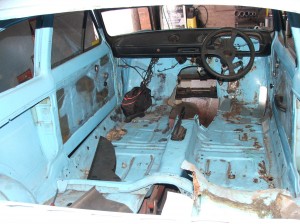
The solution was simple, identify any bits of the car you don’t need and cut them off, especially if there’s any rust in them. The shell has been multipointed and the cag extended and a complete new aero underfloor has been designed. There’s a huge amount of work to do but it shoudl be worth it when the car gets back on track. Here’s some pictures for the mean time

DSCF1665

DSCF1666

DSCF1674

Moggy 2000

Monday, February 1st, 2010

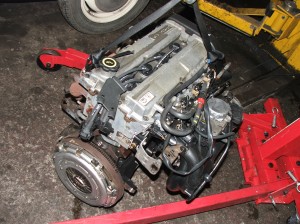
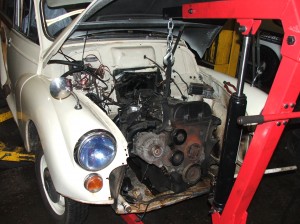
If you have an old classic and love the character but get tired of the gasping little engine you have 2 options. Modify the engine which may cost a lot to return a little or modfiy the car the take a better engine. I favour plan B as did our customer when he brought in his Morris Minor. Various options were discussed but a Ford Zetec 2.0l from a Mondeo was the power plant of choice.  Rear wheel drive conversions with this engine are well documented and it’s a nice tractable and readily available engine so all we had to do was work out how to make it fit!

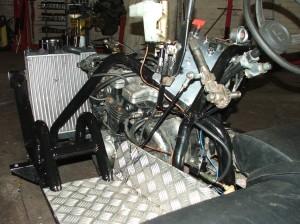
There were a few small problems such as the steering rack being in the way and the engine bay not being long enough but as each challenge develops so do the solutions. It’s lovely watching a project like this grow. There’s still a long way to go but here’s a few snaps of the story so far.

DSCF1573

DSCF1574

DSCF1568

Residential MK1 Escort

Monday, February 1st, 2010

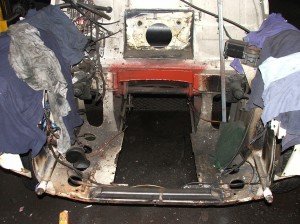
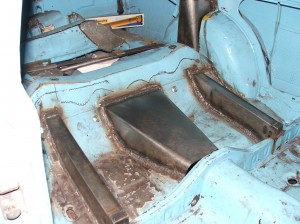
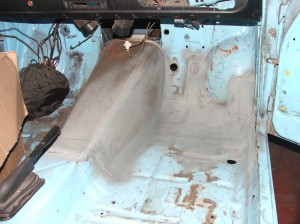
Progress has been slow on our residential MK1 as we’ve been very busy of late. the snow in January stopped a few customers reaching us we had the time to get some done on it. We left it last time with very little floor and as welded began so more rust became apparent and more floor needed replacing. The metal that wasn’t rusty was like tissue paper so welding in structural modifications such as 4 link boxes or a roll cage without extra strength being added wouldn’t have been wise. After much welding, grinding, swearing and welding again the car finally has a large proportion of it’s major components and a floor pan strong enough to build in to. There’s a few finishing touches underneath then on to the roll cage.


DSCF1577

DSCF1579

Flying Pig

Monday, February 1st, 2010

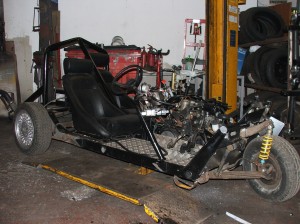
This is something you’ll either get or will just not understand at all. The challenge was to find something truely different. In the car world just about evrything has been done and it’s hard to create a new idea without spending a fortune. We decided the craziest track car you could possibly use was a Reliant Robin, so we got one and turbo chraged it to see what would happen. It was good but not fast enough and still suffered from a lack of wheels, so we did the only sensible thing. We got a Honda VFR750 engine and designed a ful space frame chassis and cagearound the robin chassis. This incorporated such things as coil overs all round, subaru imprezza vented discs, hydraulically self loading suspension to counter body dive and roll and so many other little touches it’d take all day to list. Plans are to make a few people smile at tack days and shows this year. There’s still a lot to do but here’s some pictures of the build so far.

DSCF1558DSCF1563DSCF1597

MK 1 escort

Thursday, August 20th, 2009

In early 2009 a MK1 escort shell was pushed in for a little TLC. The owner wanted to carry out as much as possible himself but when it came to taking an angle grinder to his precious shell he was happy to pass that responsibilty on. It was fitted with 4 link boxes and a panhard rod to locate the axle and a pair of rear turrets for some coil over dampers. He then took it away to carry on the long process of rebuilding the car.
Work started in full on another MK1 escort shell we’ve had for a little while now.  This is a proper type 49 RS Shell whcih isn’t in bad condition either. The owner plans to fit a YB Cosorth engine himself and use it for a weekend and track toy. It’s a well trodden path to easy power and he’s dow plenty of research on his final spec beforew’ve started cutting his shell up. We debated over slipper springs and 4 links or 5 link and turrets or my favourite keep it simple approach of axle location and leaf spring. Theres pros and cons for all but with it being a decent type 49 shell I felt bad for cutting it up! The floor is mostly cut out now for bulkhead mods, diff tunel, transmission tunnel, 4 link boxes and a few general repairs. Turrets and a custom cage will follow.

DSCF1505DSCF1506

Capri

Monday, January 19th, 2009

2008-Capri- work began in earnest on AA Silencers next race car.

DSCF1305What was originally a 1.6 Ford Capri came in for some major work. This started by completely stripping it to a bare shell. All major areas of rust were tended to, all none structural metal was removed and a roll cage fabricated. Fibre glass wings, bonnet and tailgate were fitted and a new lightweight wiring harness was made. A new cross member was fabricated for the front to relocate suspension and steering components plus engine mounts for the new engine. An inlet manifold was fabricated from scratch to take an as yet untried inlet system combination and an ECU was sourced for the ignition. The wiring loom was made for the ECU and all necessary sensors sourced and brackets and adaptors made to fit them as required. The engine was fitted and rigged with a temporary cooling system. A dash was made and wired in to monitor everything and countless other jobs were completed to make all of these parts resemble a car and stand a chance of working. In late 2008 the key was turned and it fired in to life. All of the prototype systems functioned and the car could be driven. Although there was a huge amount of development to be done the ground work was laid for what would be a tremendous racing car.

DSCF1458                  

2009- Capri- Endless development has continued with the Capri. Wheels tyres, brakes, suspension pick up points, axle and drive ratios, gearbox, differential, anew cooling system, a new lubrication system, more weight loss, aerodynamic aids, a new fuel delivery system, a new exhaust, more testing and more set up work and finally it is ready to race! Fingers crossed for the end result but hopes are high.

capri_FB           capri1_FB

September 2009- the big day has arrived, the first race for our capri. It was a 3 hour treck up to Cadwell Park near Skegness and we set up for the compulsary nights camping, BBQ and beer. 6am soon came around and the team were in full force preparing for Qualifying. The reward for their efforts was 3rd in class and no dramas with the car. It was a tremendous result from a new car at its first showing and all eyes were set on the race. Tension was high as everyone felt it was too good to be true, everyone knew there were always teething troubles and we were all waiting for them. A good start kept the car out of trouble and a super smooth pitstop jumped us up in to 2nd place. The car worked perfectly to the flag and the result was better than anyone could’ve imagined. Smiles all round on the long drive home and a thankfully short check list before the next race.

 Hammersley 1     Hammersley 2

The Capri was put to good use at the final race of the year at Snetterton.  There were many new cars entered in out class and Snetterton is an open fast circuit favouring big powered cars, so we were concerned we may be at a disadvantage. Despite being down on power to the big Jaguars, Porsches, Lotus’s and Ferrari’s we still qualified 4rd in class. A good start and hard fought opening laps brought us up to 3rd and closing on 2nd place when suspension failure led to an early end to the race. New suspenson was designed and built as the car had to run the following week at a magazine’s track day.  The car impressed and we may be running cars for the magazine ext year. Watch this space.  It was good to see several customers at the track day and is something we are hoping to build on in the new year.

hammersley 3           hammersley 4